

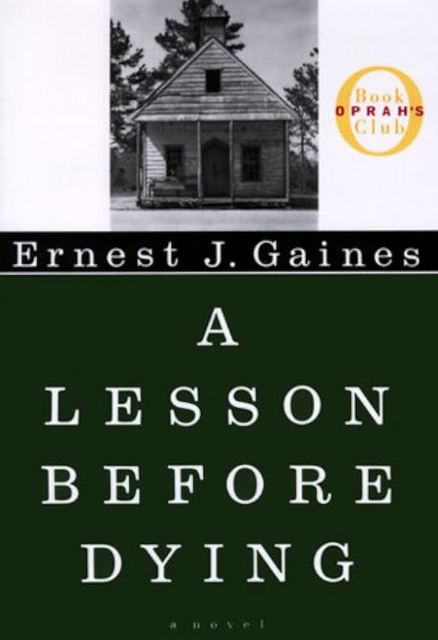
Introduction to Ernest J. Gaines
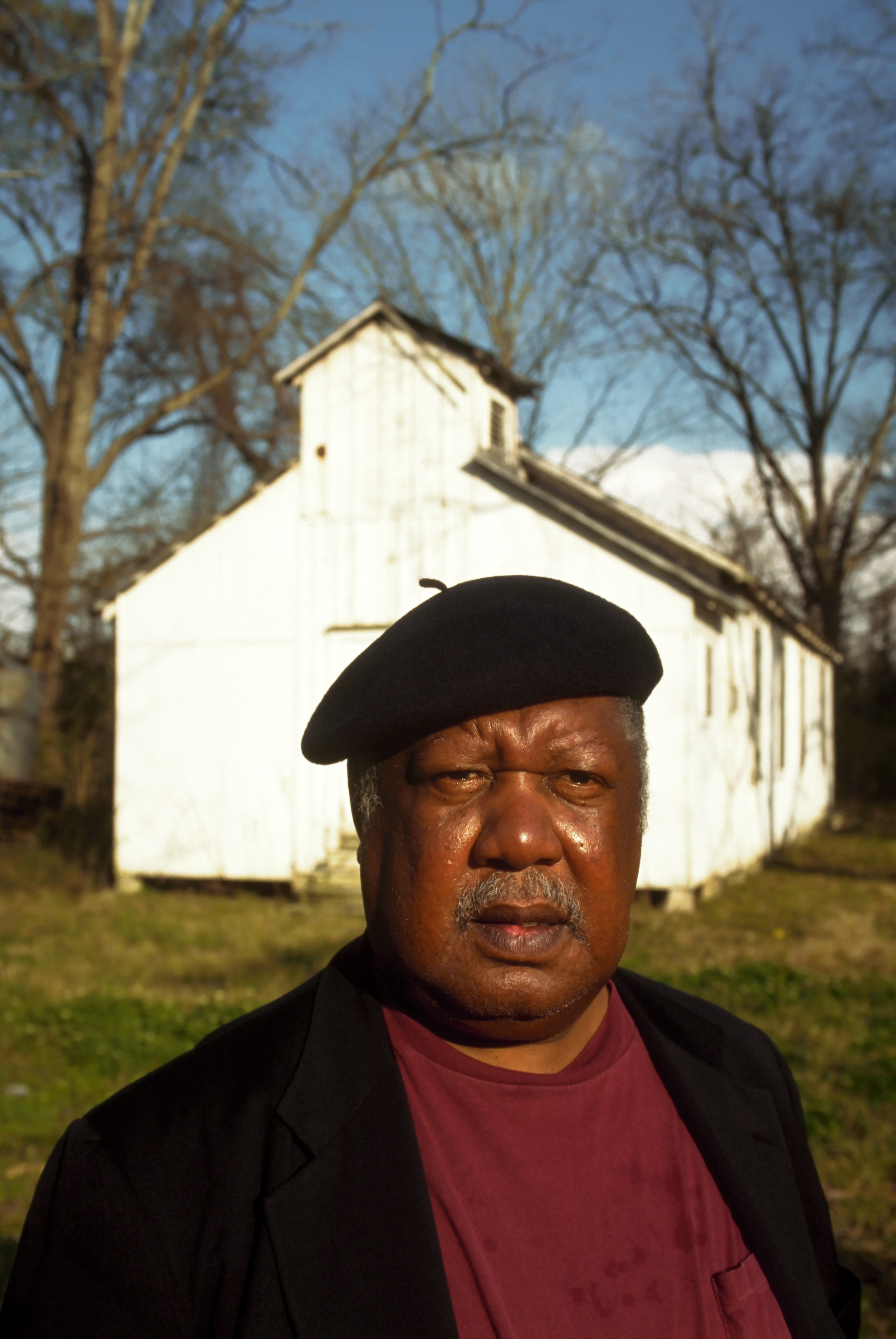
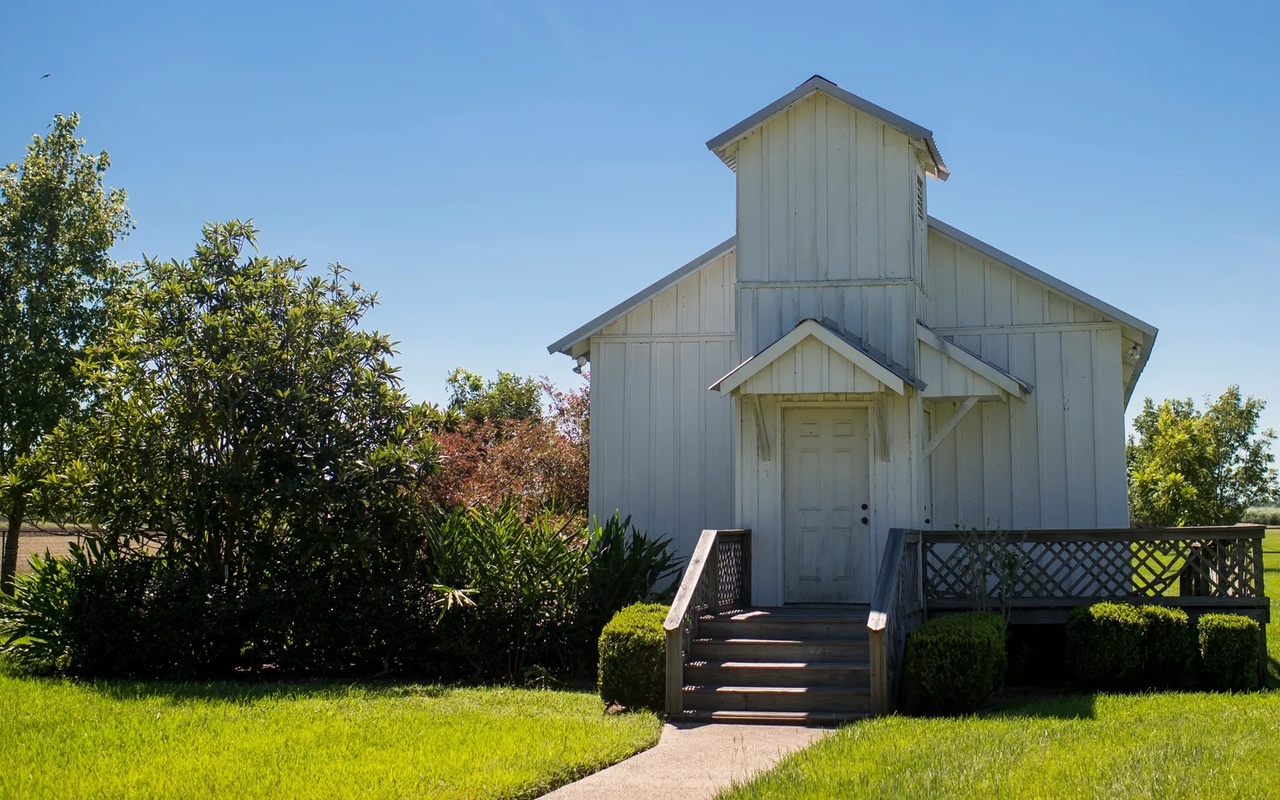
Gaines spent his youth in Oscar, Louisiana. He was born in 1933 and lived there until 1948. Those early years proved indelible. The time he spent on the Riverlake Plantation—working the land, listening to old folks talk, writing letters for folks who did not know how to—became the inspiration for his fiction. All his published work takes place on plantations in South Louisiana, mostly set near Bayonne along the St. Charles River. Those were the fictionalized landmarks of Pointe Coupée Parish that became the fixtures in his creative universe. His writing evokes not just the sugarcane fields and old live oaks but also the social institutions of the area such as the schoolhouse and the courthouse. In that way, his fiction offers a record of a sharecropping community that otherwise has gone largely unrepresented.
At the age of fifteen, Gaines moved to California, where his parents had been living for some years already and where he could continue his education. By his own account, having access to a library for the first time sparked his dreams of being a writer. He attended college at San Francisco State then went on to study creative writing with Wallace Stegner at Stanford. He published his first novel, Catherine Carmier, in 1964, following it up with Of Love and Dust (1967) and a collection of short stories titled Bloodline (1968). Although those early works made him neither rich nor famous, they established many of the characteristic features of Gaines’s fiction. Many of those features appear in A Lesson, his last major novel. For instance, the historical setting and Jim Crow segregation draw together common elements of his early and late fiction. Seeing some of the early drafts from A Lesson gives a glimpse of the mature artist constructing his most complex representation of a part of the world he both loved and recognized as ruthless. The study guide provides context for that complex perspective on South Louisiana with a series of keyword entries and a collection of relevant resources.