


Black No More

George SchuylerAuthor

After Dr. Junius Crookman invents the “Black-No-More” process to make black people look white through a process of “electrical nutrition and glandular control,” the United States of America is swept into social upheaval. Black Americans flock to Dr. Crookman’s hospitals, wishing to escape the confines of racial stigma and segregation, while white supremacist organizations scheme to uphold the existing socioeconomic order. One of the first patients to receive Dr. Crookman’s treatment is Max Disher, a black insurance agent who pines after a haughty white woman from Atlanta who rejects his request for a dance on account of his race.


A picaresque novel, Black No More follows the misadventures of Max Disher and the ways in which he takes advantage of his new appearance in an unstable political climate. A biting satire of both white supremacist and black civil rights organizations, it is has been identified as one of the first works of Afrofuturism, an aesthetic movement which explores the cultures of the African diaspora in relation to advances in science and technology.


Courtesy of Standard EBooks

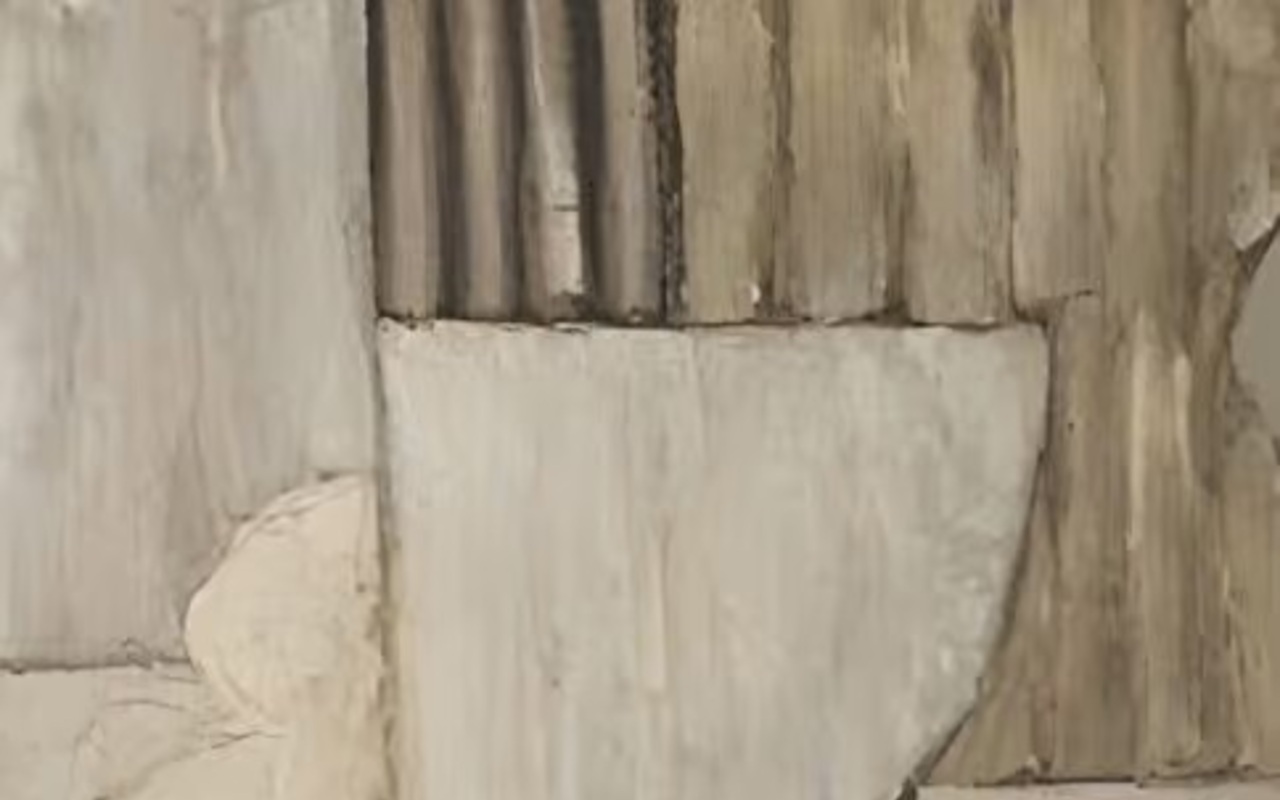
The cover page is adapted from Still Life in Gray, a painting completed in 1927 by Serge Charchoune.

This digital edition of George Schuyler's Black No More, originally published in 1931, is presented entirely in its original form to preserve its historical context and integrity. Readers should be aware that it contains graphic representations of violence and explicit racial language. These depictions are stark and may be distressing.


Readers are advised to approach Black No More with an understanding of its historical context and the potentially disturbing nature of its content. If you find such material triggering or distressing, please exercise caution.


We acknowledge that the content of this novel can be deeply unsettling and offensive. It is presented not to endorse these views but to provide a historical and literary lens into race relations in the first half of the 20th century, as well as the attitudes and social norms of the times, as perceived by a black author.

Metadata

  • publisher
    Standard EBooks
  • rights
    Public Domain