About This Module
Where Module 1 examined how institutions make race and Module 2 assembled the theories for analyzing it, Module 3 turns to the systemic operation of racism in the present-day United States — and to a claim that has organized American racial discourse since the civil rights era: that the country has moved beyond race. The module takes that claim apart across four domains in which racial inequality is produced and sustained without being openly named — the ideology of colorblindness, the carceral state, the law of property and wealth, and the technologies of automated decision-making. These are treated not as separate problems but as variations on a single mechanism: a racial order maintained through ostensibly race-neutral language, law, and design. Across the four units the module builds a shared vocabulary — color-blind racism, racism of omission, mass incarceration, racializing surveillance, racialized dispossession, predatory governance, and the New Jim Code — for naming the systemic racism that a "post-racial" framing renders invisible.
The module's organizing argument is that systemic racism does not require racists. Long after explicit racial language became socially unacceptable and de jure segregation was dismantled, racial hierarchy persists — in who is policed and imprisoned, who can hold and keep property, whose neighborhoods are stripped of wealth, and whom automated systems serve or harm — produced by rules and routines that mention no race at all. Each unit supplies a distinct site of this production: the colorblind common sense that explains inequality as anything but racial; the carceral apparatus that concentrates surveillance and confinement on communities of color; the legal and financial machinery that has dispossessed Black and other owners while appearing merely procedural; and the algorithms that encode old hierarchies behind a claim of objectivity. Read together, the units equip learners to see past the announcement that race no longer matters, and to identify the structural mechanisms that keep it mattering.
Module Objectives
By the end of this module, learners will be able to:
- Explain what "systemic" or "structural" racism means — racial inequality produced and sustained by institutions, rules, and routines rather than by individual prejudice — and articulate why durable racial hierarchy can persist in a society with few self-identified racists.
- Apply the module's core concepts — color-blind racism, racism of omission, mass incarceration and racializing surveillance, racialized dispossession and predatory governance, and the New Jim Code — to specific contemporary cases.
- Analyze how ostensibly race-neutral systems — colorblind rhetoric, criminal law, property and tax law, and automated decision-making — reproduce racial inequality without naming race.
- Evaluate the claim that the United States has become "post-racial," marshaling evidence about what neutral-sounding language, law, and technology conceal.
The Four Units
The module unfolds across four units, each examining a domain in which racism operates systemically, beneath the surface of race-neutral language.
- Unit 3.1: Colorblind Ideologies, Silence, and Racism of Omission — Examines colorblindness as the dominant racial ideology of the post–civil rights era: a way of explaining and defending racial inequality without naming race. Develops Eduardo Bonilla-Silva's color-blind racism and its frames, the newer concept of "racism of omission," and the philosophy of white ignorance, then tests these tools against the rhetoric of a "post-racial" America.
- Unit 3.2: Policing, Prisons, and Racialized Surveillance — Treats the carceral state as a central institution of contemporary racial control. Works from Michelle Alexander's account of mass incarceration, the sociology of punishment, and Simone Browne's theory of racializing surveillance to examine how policing, imprisonment, and monitoring concentrate on communities of color — and how the data that make the system legible can themselves render people invisible.
- Unit 3.3: Property, Law, and Dispossession — Takes property and wealth as a site of systemic racism, tracing how law and finance have stripped Black and other communities of land, homes, and wealth while appearing merely procedural. Works from Bernadette Atuahene's concept of predatory governance, the history of the property tax and land loss, and the legal construction of property to weigh how dispossession is produced, and what legal remedies can and cannot restore.
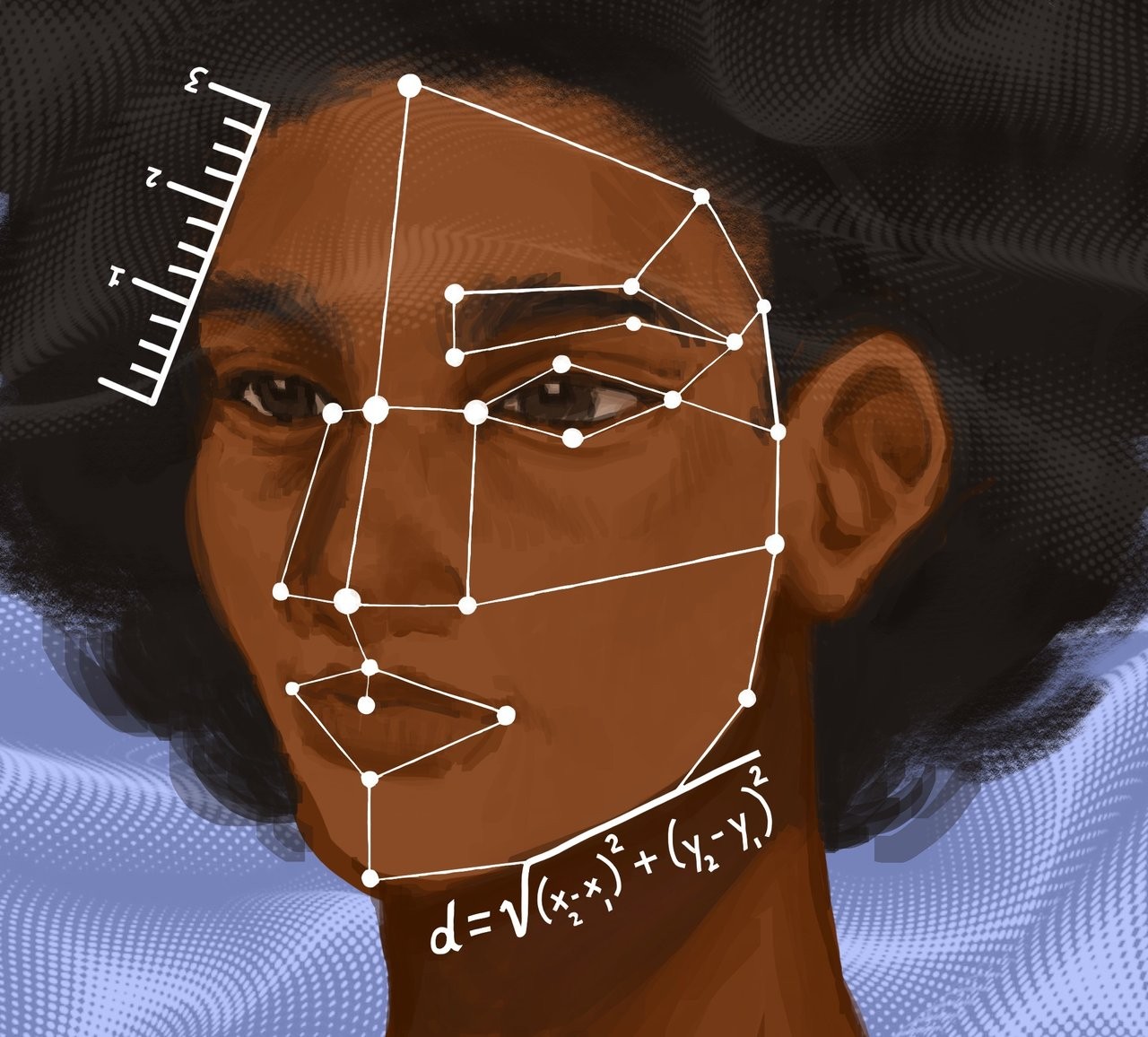
- Unit 3.4: Machine Biases, Innovation, and Technology — Turns to automated systems — search engines, facial recognition, risk scores, hiring tools — and why they so reliably reproduce racial hierarchy while appearing objective. Works from Ruha Benjamin's "New Jim Code," Safiya Noble's account of search as a racial institution, Joy Buolamwini's facial-recognition audits, and Sasha Costanza-Chock's design justice to read any algorithm as a social institution with a history rather than a verdict from nowhere.
The four units do not advance a single linear history so much as map one phenomenon across four domains: the systemic racism that survives the end of explicit, legal segregation by operating through neutral-seeming ideology, law, and technology. Together they answer the module's guiding question — how a society can announce itself "post-racial" while remaining structured by race — and prepare learners to recognize that structure wherever ostensibly race-neutral systems produce racially patterned results.